


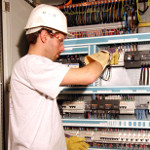
Job
Electricity

A complete document to learn to be an electrician.
Table of Contents :
1. Special Equipment
2. Troubleshooting
3. Troubleshooting Electric Motors
4. Alarm Systems
5. Lamps and Lighting Systems
6. Electric Motors
7. Power Sources
8. Wires and Wiring
9. Hazardous Locations Equipment
10. Programmable Controllers
11. Wiring for Telephone Installation
12. Basic Mathematics and Measurement Conversion
13. Estimating a Job
14. Electrical and Electronic Formulas
15. Basic Electronics
16. How to Measure
Appendix 1. Rules of Safety
Appendix 2. Codes, Standards and Regulations
Appendix 3. National Electrical Code Tables
Measurement

This powerpoint can be use to learn the types of wiring and the material used.
Description of the types of wiring and switches.
This guide is designed to help you install residential wiring safely.
Tale of contents:
-The wiring plan
-Materials
-Tools required
-Wiring
-Circuits
-Wiring tips
-Inspections
-Wiring an existing building
A powerpoint presentation of types of wires, cables, connectors and switches.
A complete set of electrical lessons.
A website who share a lot of practical videos and lessons for electricity.
Diagrams, draws and instruction to complete electrical tasks.
Instructions and practical videos to learn house wiring.
A lot of diagrams and instructions to learn house wiring.
All the theorical lessons required to learn electricity.
Lessons on how to install and repair electrical wiring.
Simple instructions to learn house wiring.
Discover the missions, the caracteristics and the skills of an electrician job through an electrician apprentice and an experienced electrician.
Electricians typically do the following:
Almost every building has an electrical power, communications, lighting, and control system that is installed during construction and maintained after that. These systems power the lights, appliances, and equipment that make people’s lives and jobs easier and more comfortable.
Installing electrical systems in newly constructed buildings is less complicated than maintaining equipment in existing buildings. This is because electrical wiring is more easily accessible during construction. In addition, maintaining equipment and systems involves identifying problems and repairing broken equipment that is sometimes difficult to reach. Maintenance work may include fixing or replacing parts, light fixtures, control systems, motors, and other types of electrical equipment.
Electricians read blueprints, which are technical diagrams of electrical systems that show the location of circuits, outlets, and other equipment. They use different types of hand and power tools, such as conduit benders, to run and protect wiring. Other commonly used hand and power tools include screwdrivers, wire strippers, drills, and saws. While troubleshooting, electricians also may use ammeters, voltmeters, thermal scanners, and cable testers to find problems and ensure that components are working properly.
Many electricians work alone, but sometimes they collaborate with others. For example, experienced electricians may work with building engineers and architects to help design electrical systems for new construction. Some electricians may also consult with other construction specialists, such as elevator installers and heating and air conditioning workers, to help install or maintain electrical or power systems. At larger companies, electricians are more likely to work as part of a crew; they may direct helpers and apprentices to complete jobs.
The following are examples of types of electricians:
Inside electricians maintain and repair large motors, equipment, and control systems in businesses and factories. They use their knowledge of electrical systems to help these facilities run safely and efficiently. Some also install the wiring for businesses and factories that are being built. To minimize equipment failure, inside electricians often perform scheduled maintenance.
Residential electricians install wiring and troubleshoot electrical problems in peoples’ homes. Those who work in new-home construction install outlets and provide access to power where needed. Those who work in maintenance and remodeling typically repair and replace faulty equipment. For example, if a circuit breaker repeatedly trips after being reset, electricians determine the reason and fix it.
Donna Lister is an electrician, she explains about her job and how it fits with her lifestyle.
Joshua Nicholls start his career has a young electrician and creta an electric company from his bedroom, and years after, he runs a 3 Millions $ electric company.
Daniel the electrician explains why this job is a good career. There is a variety of fields (commercial, residential, or industrial) and it's a very clean way to earn a living.
A young electrician tell us the story of how he became an electrician, and what he has learned along the way.
Follow the day job of an apprentice electrician and his tutors.